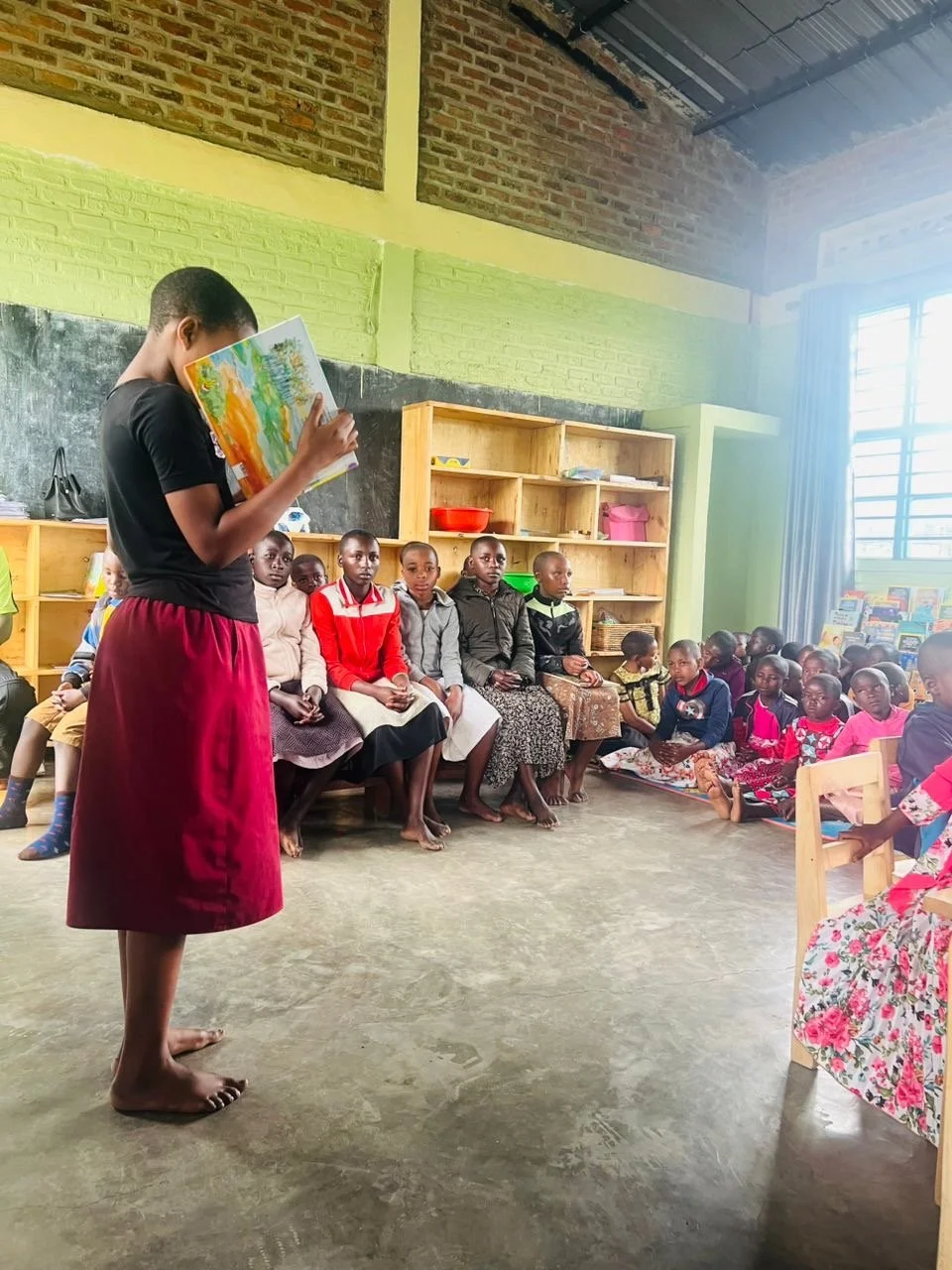
The Kamwumba school library
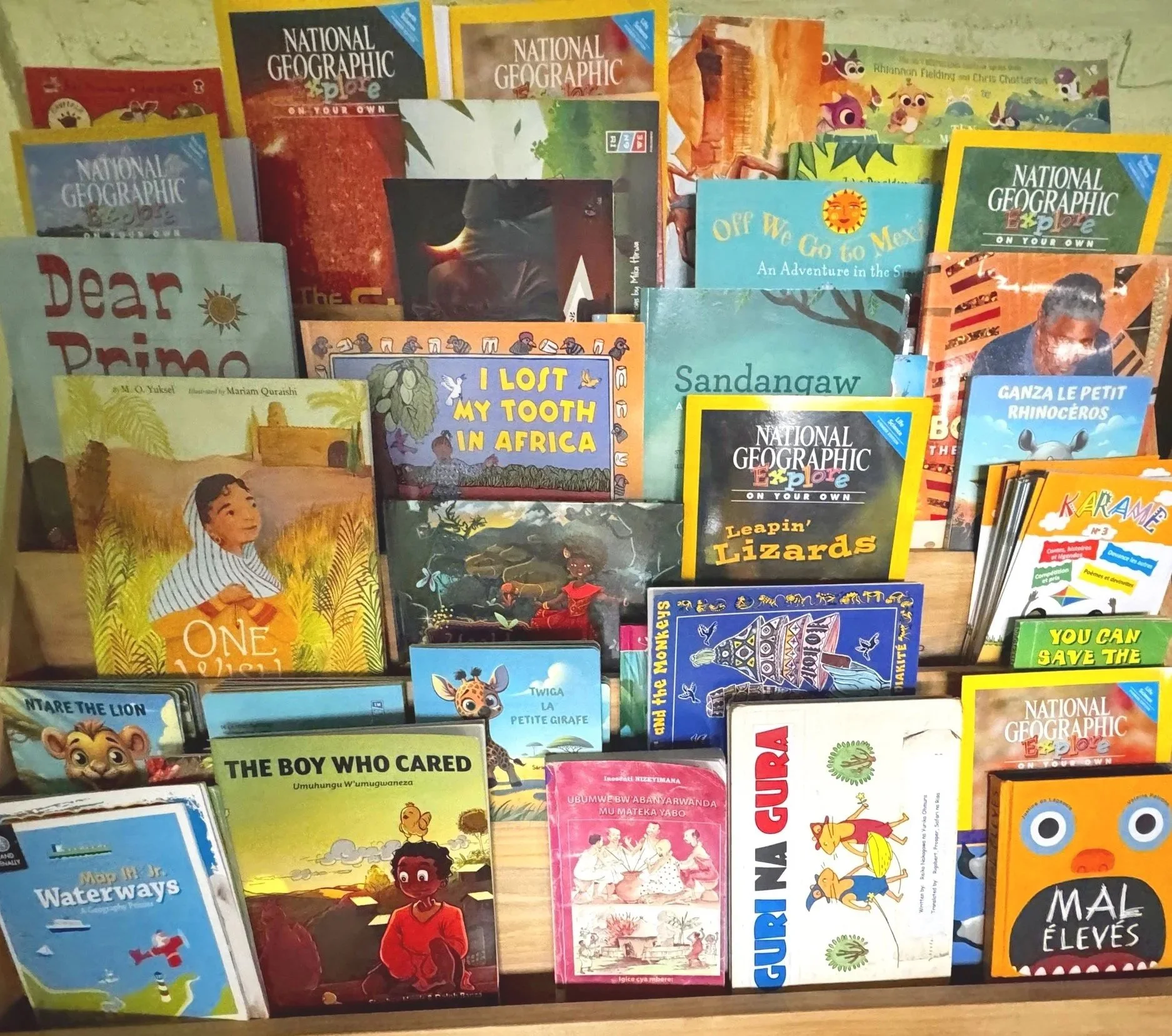
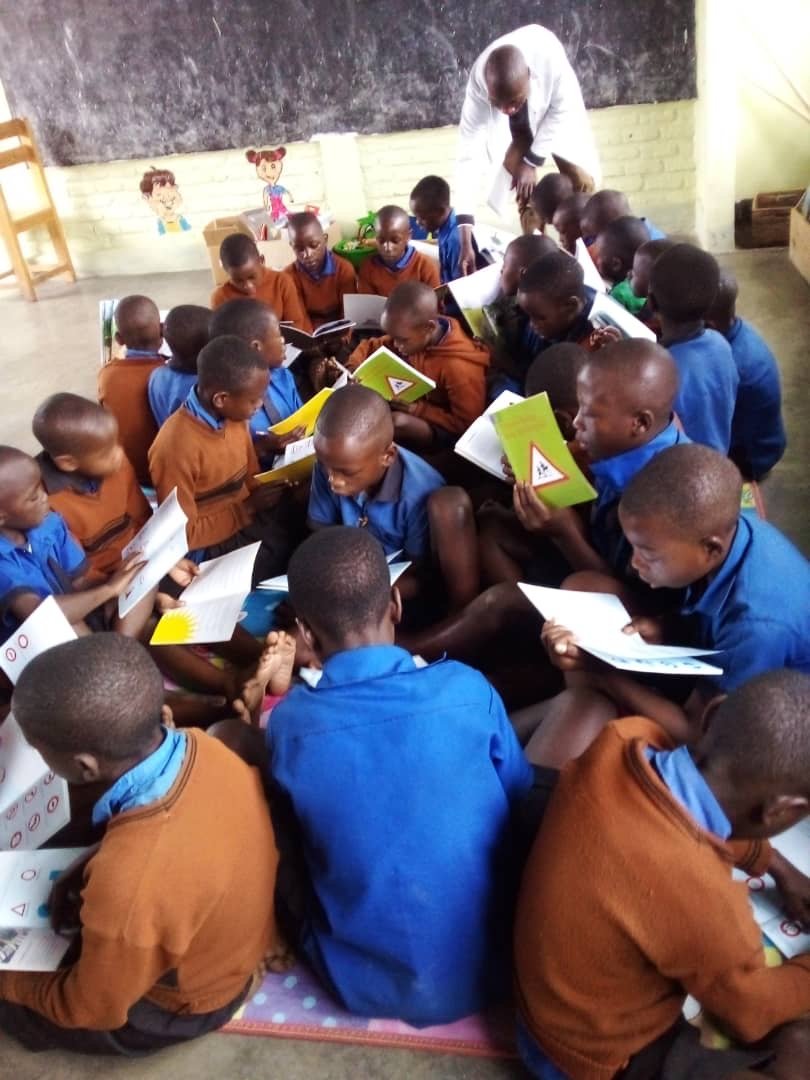
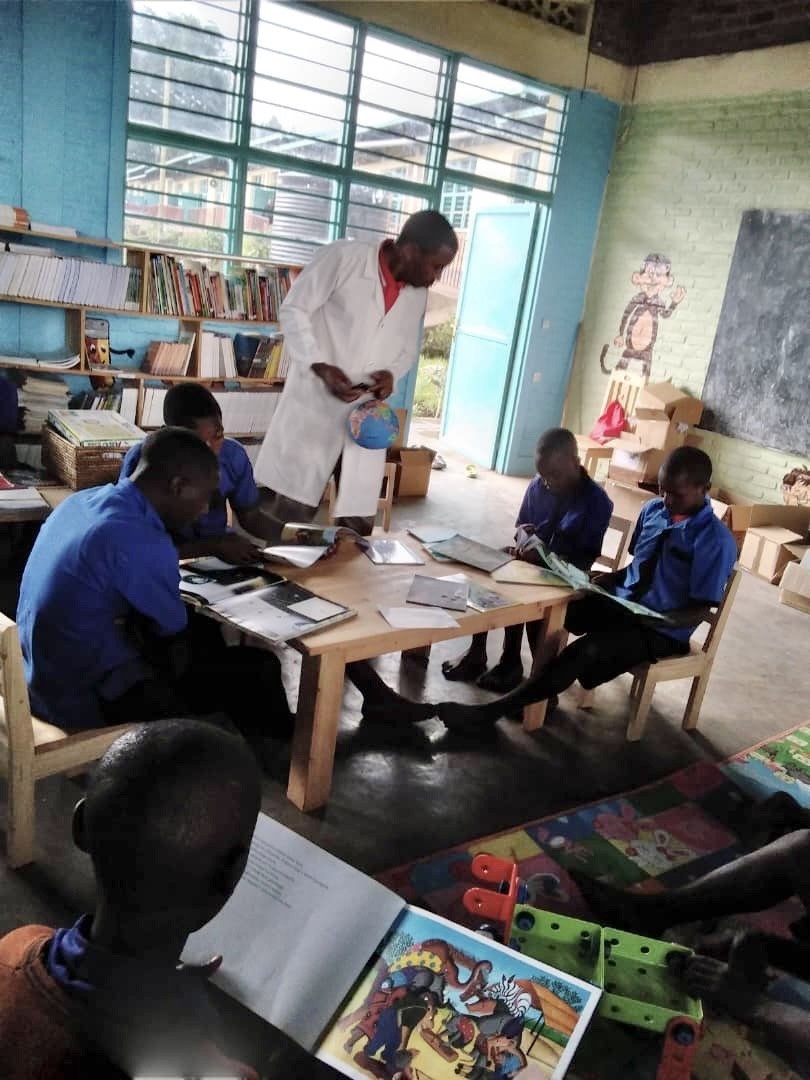
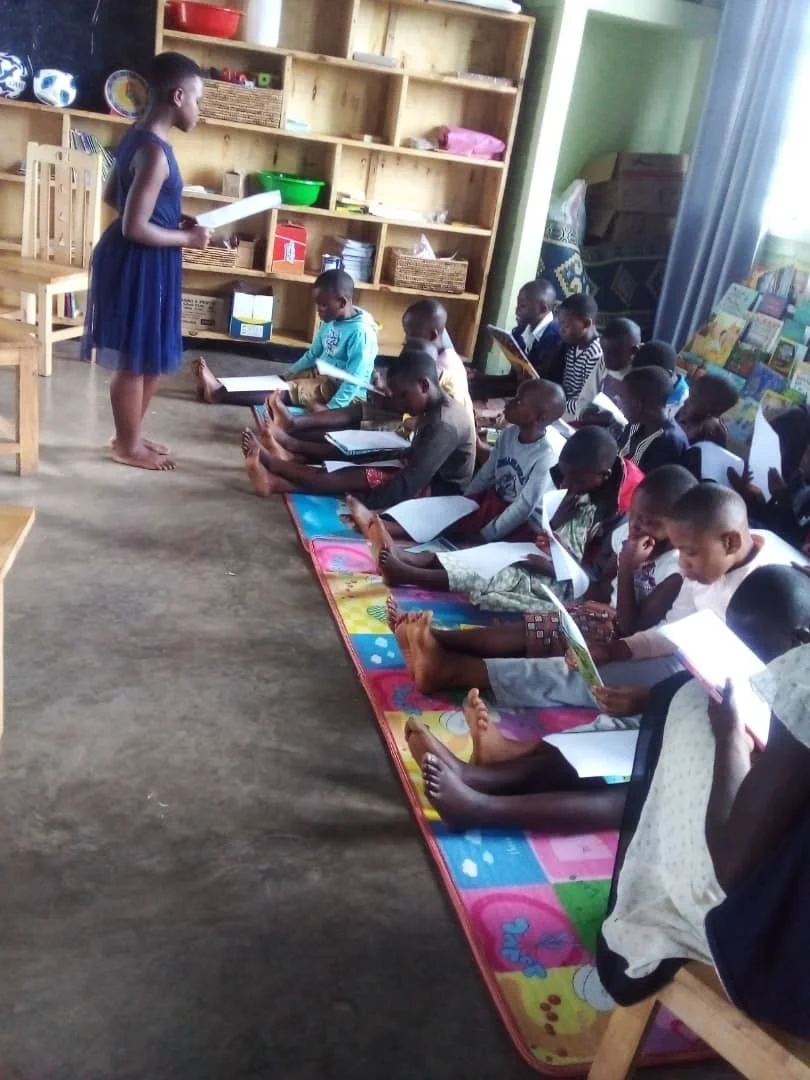
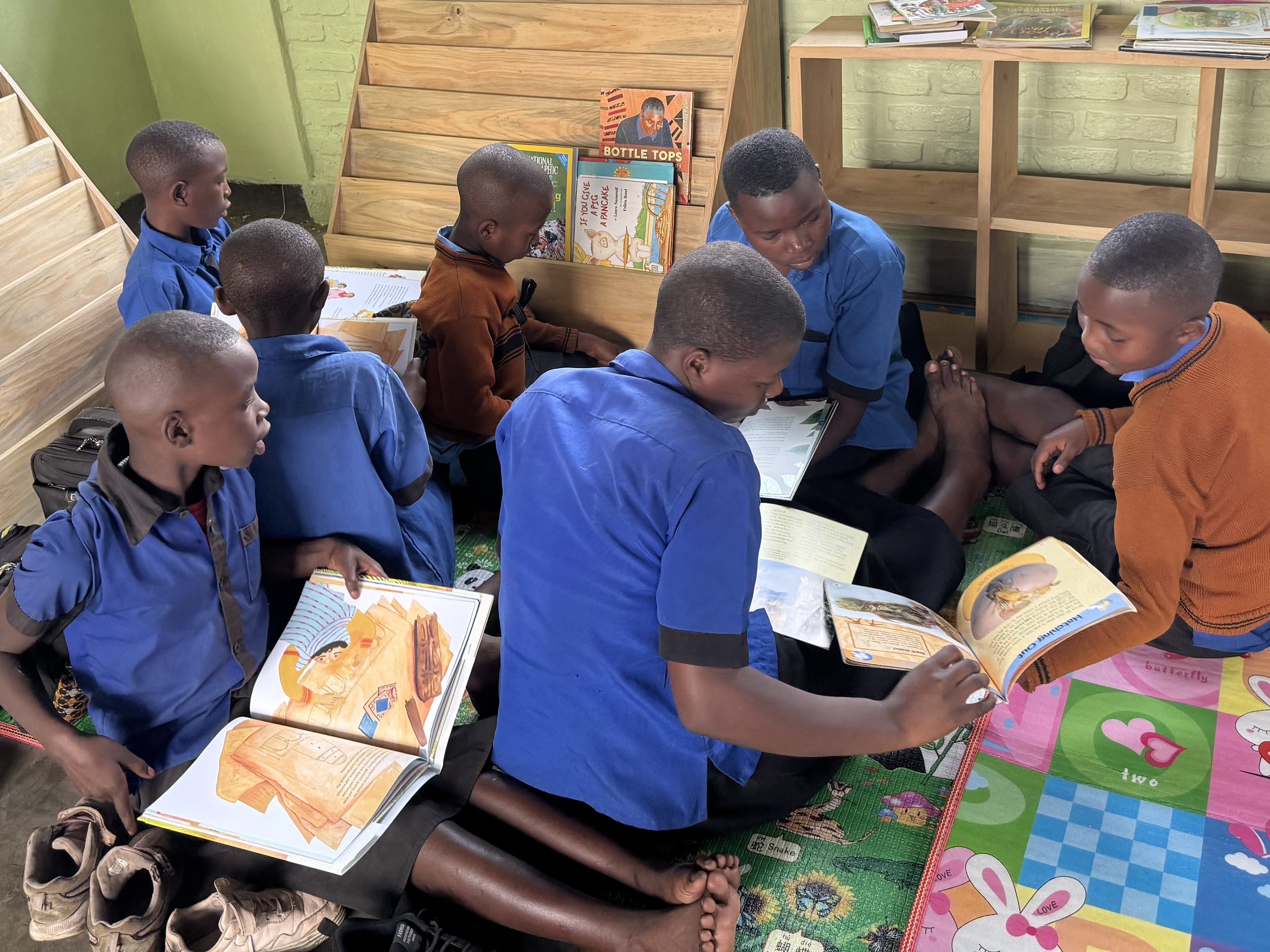
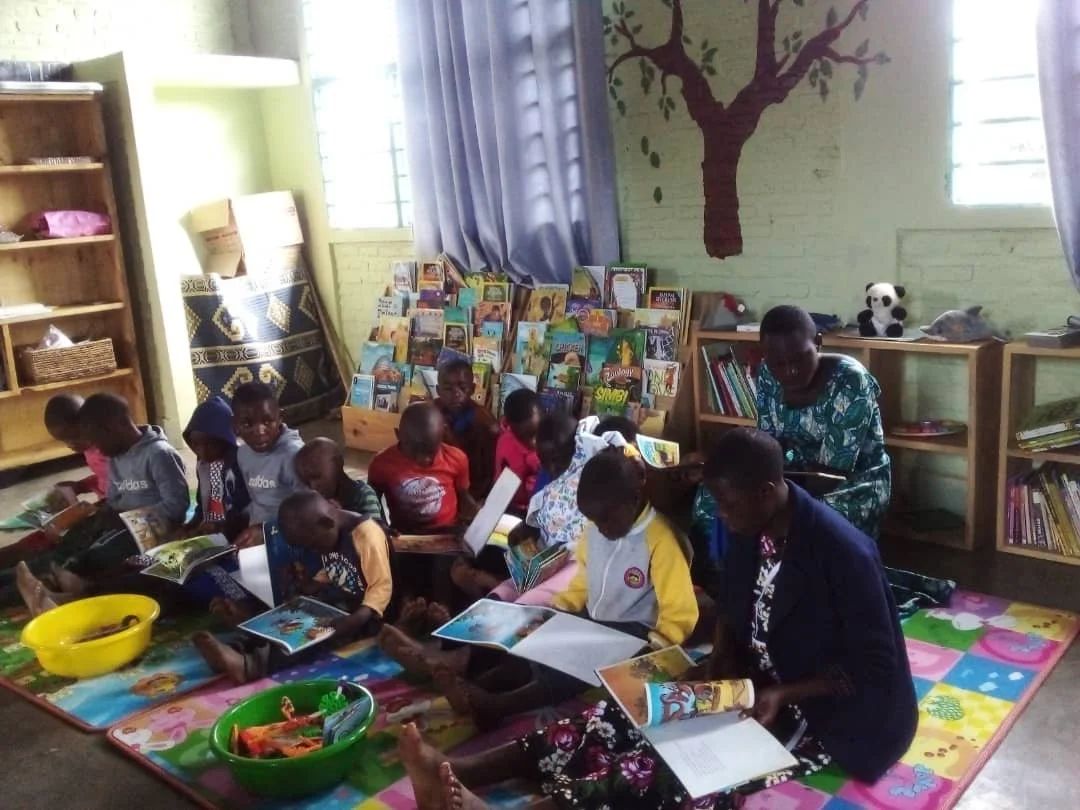
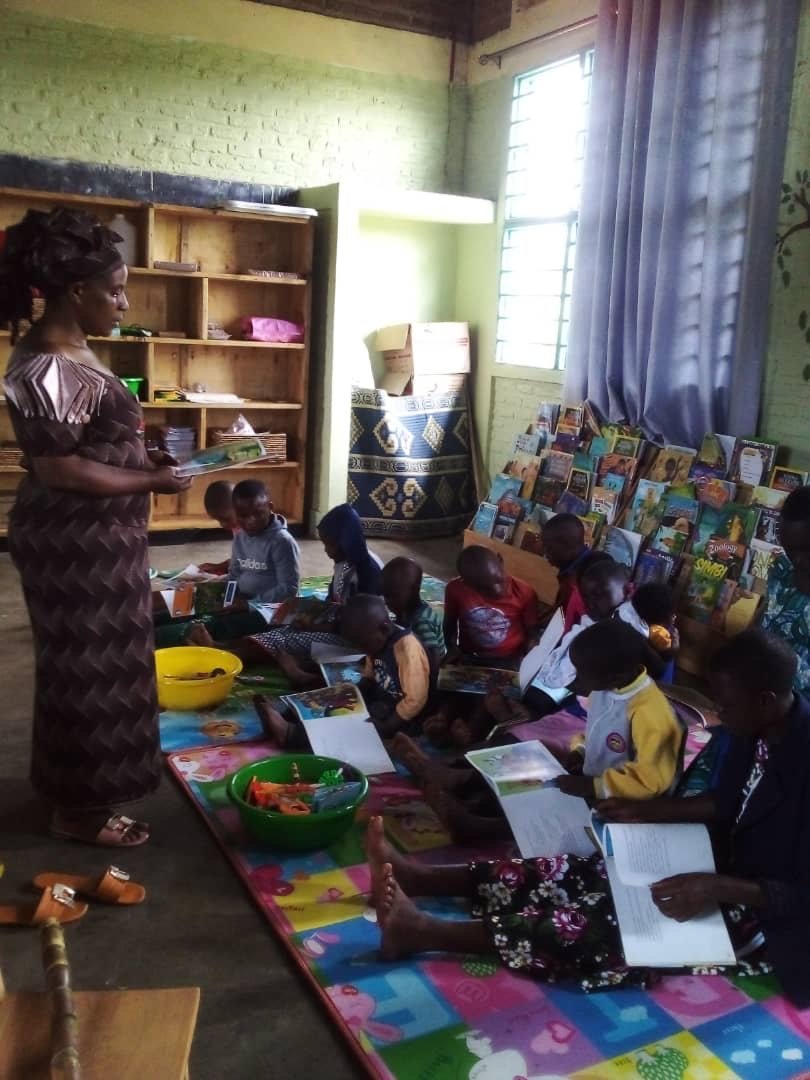
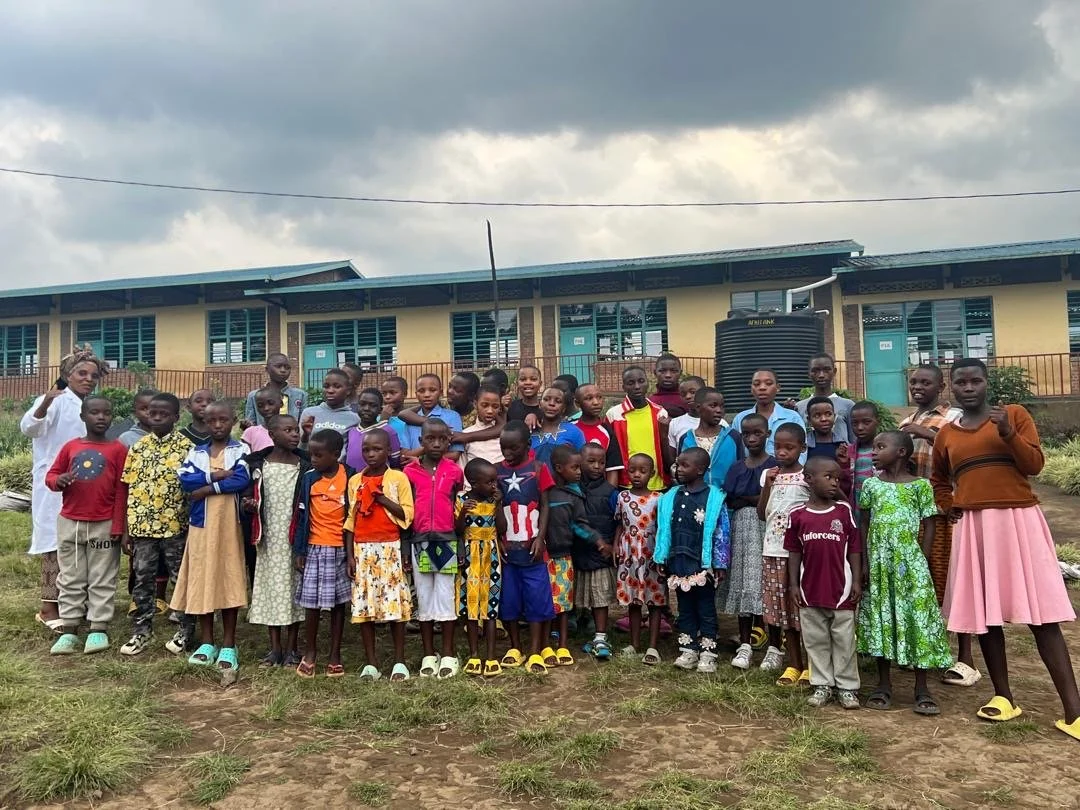
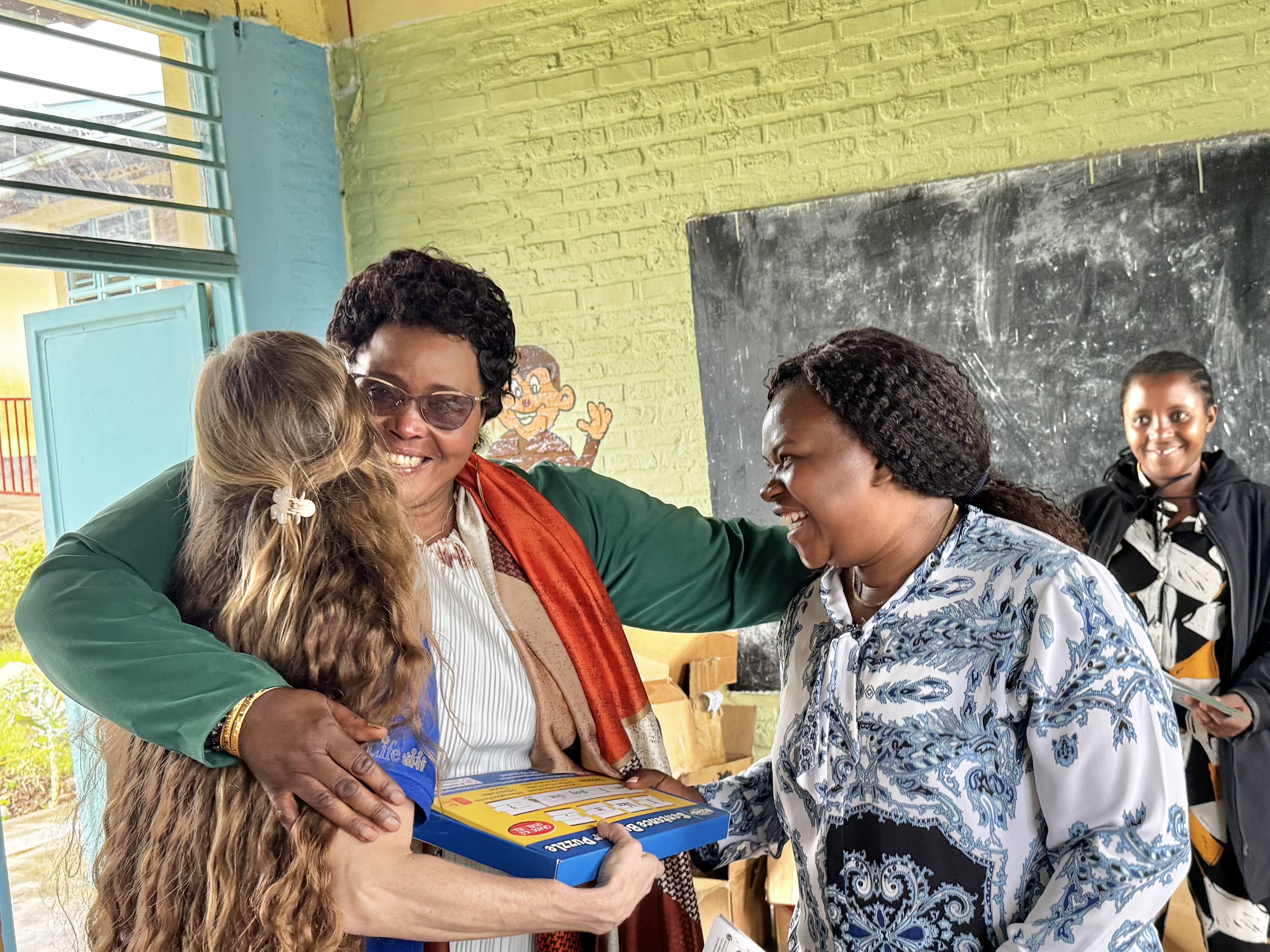
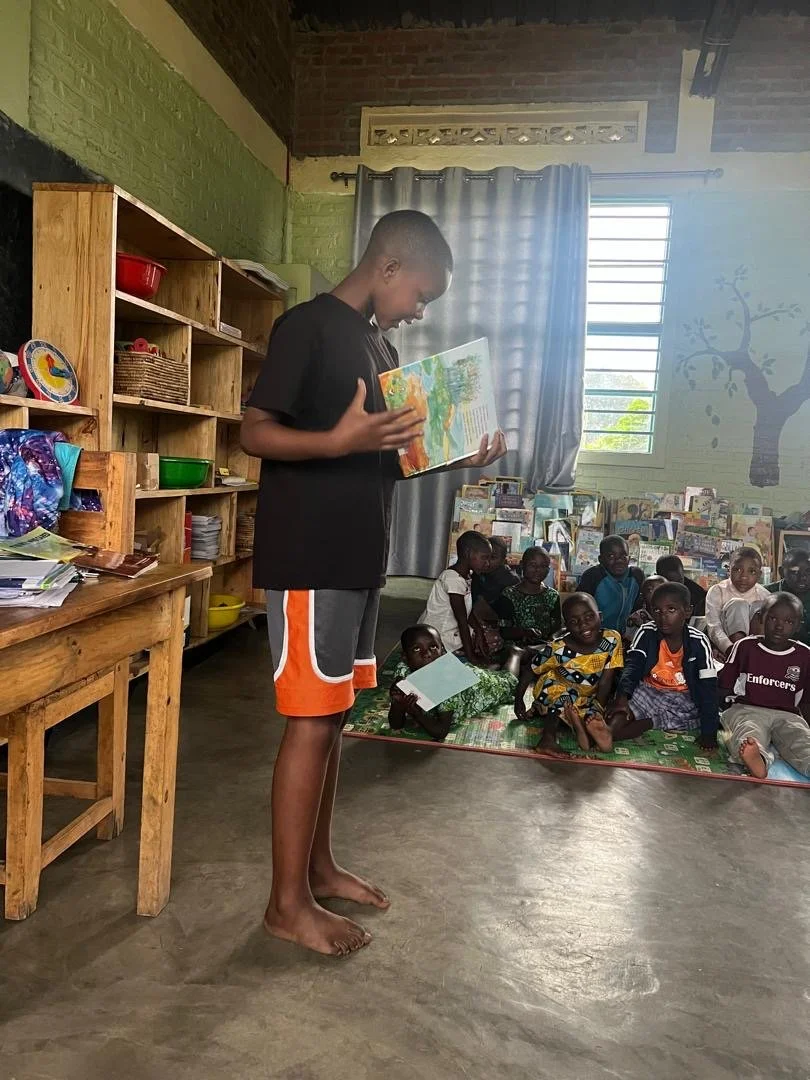
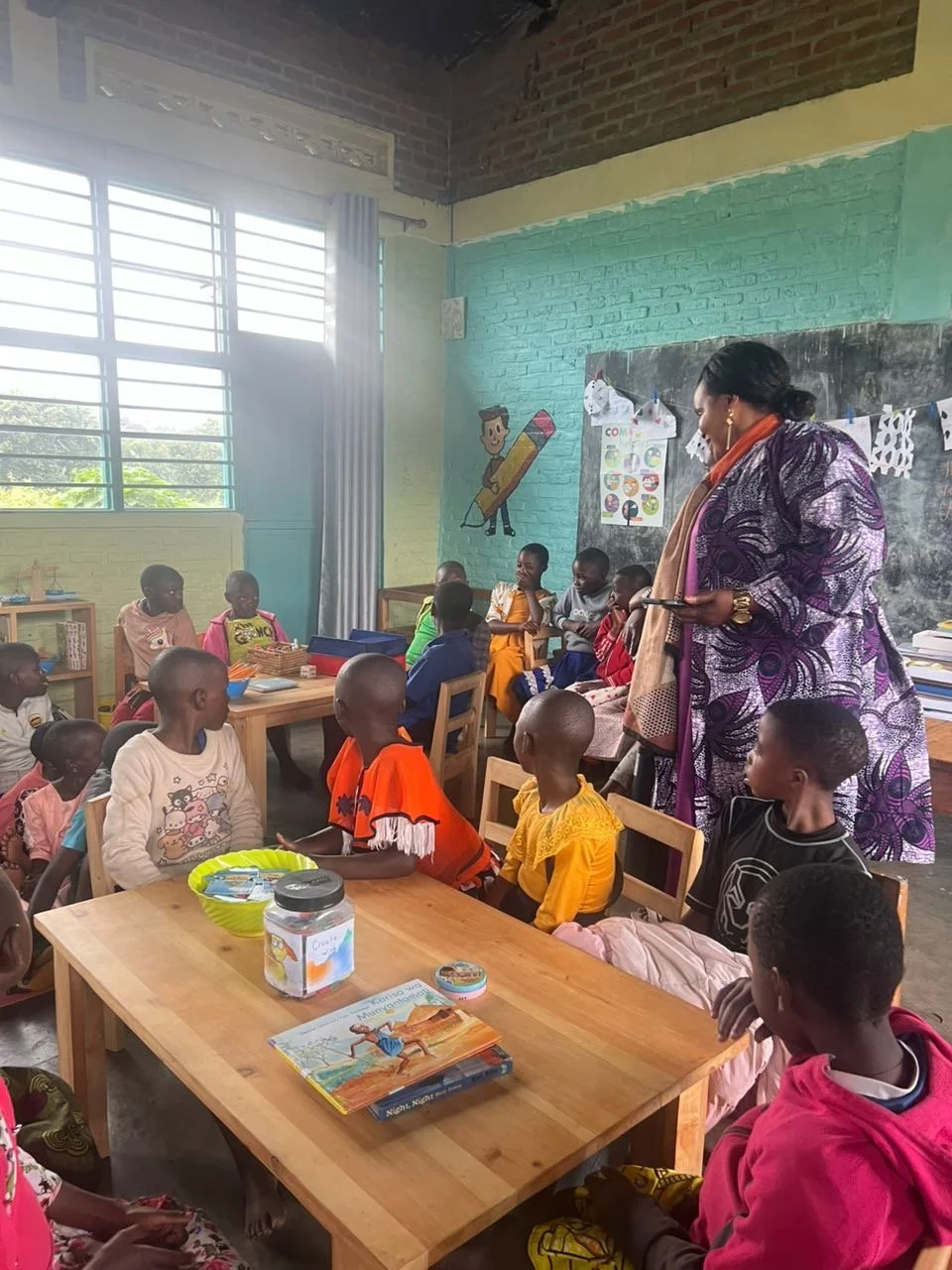
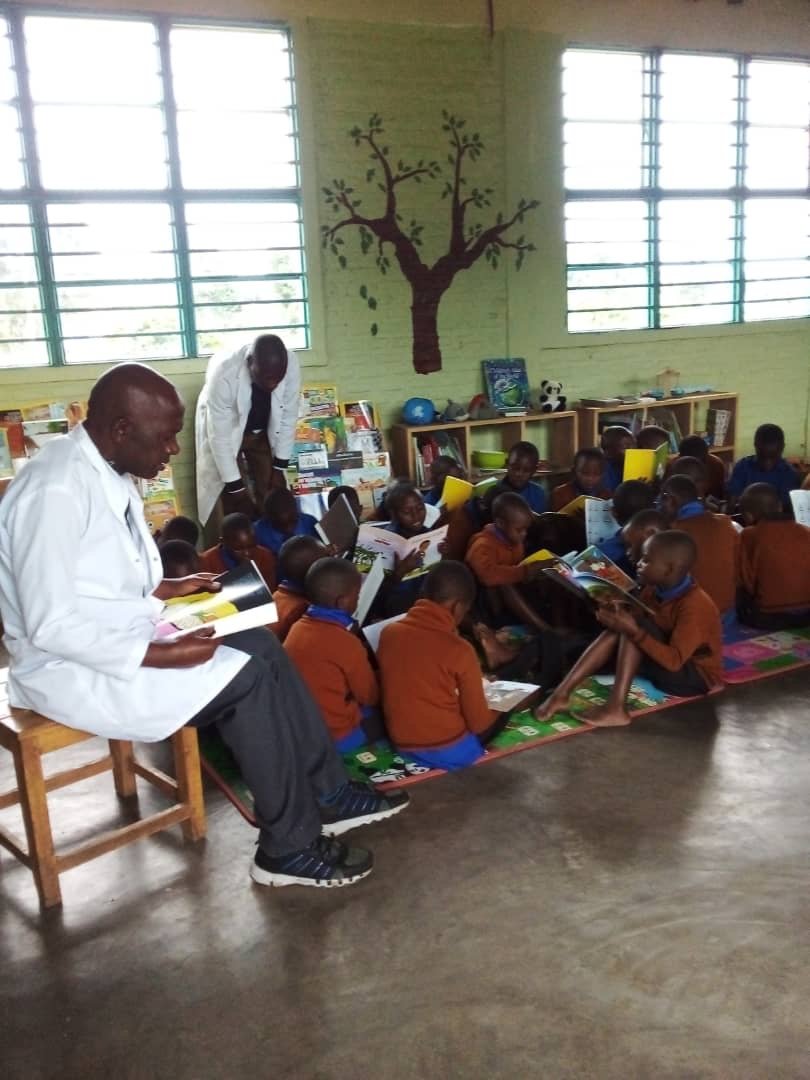
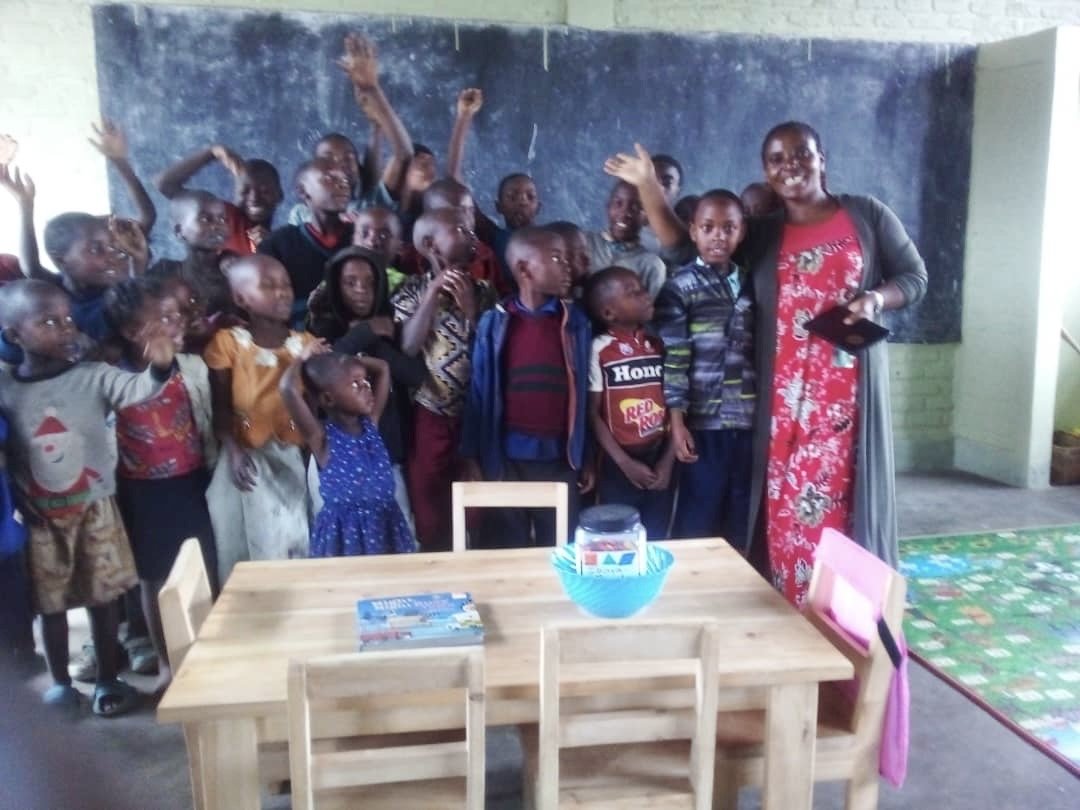
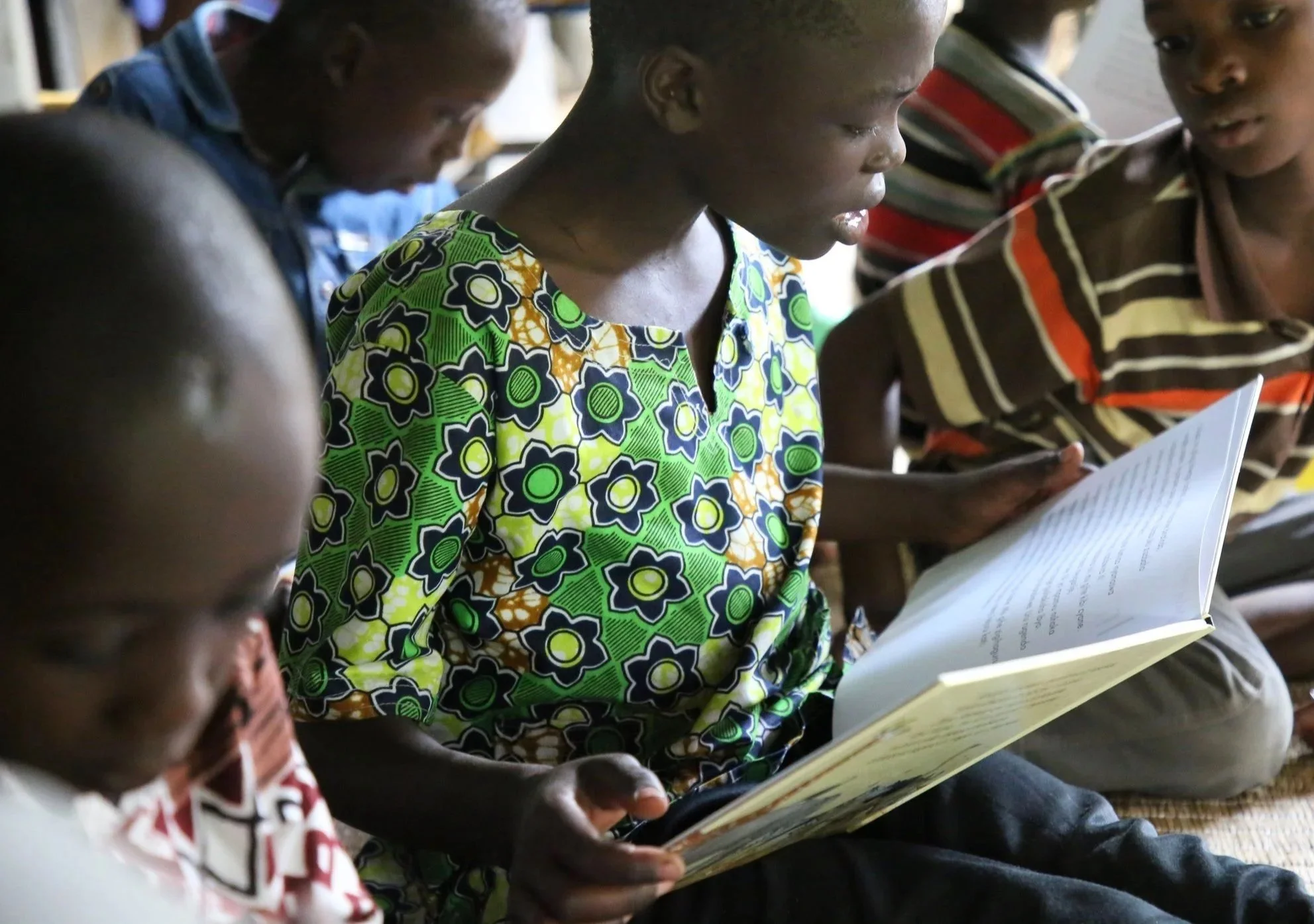
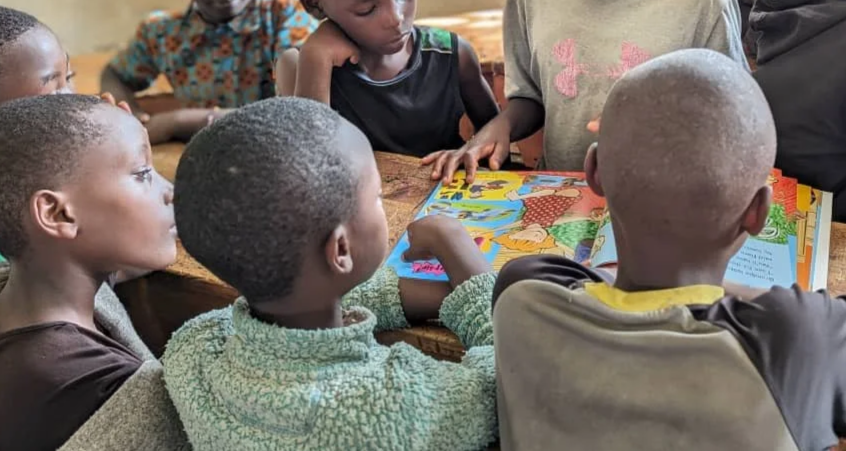
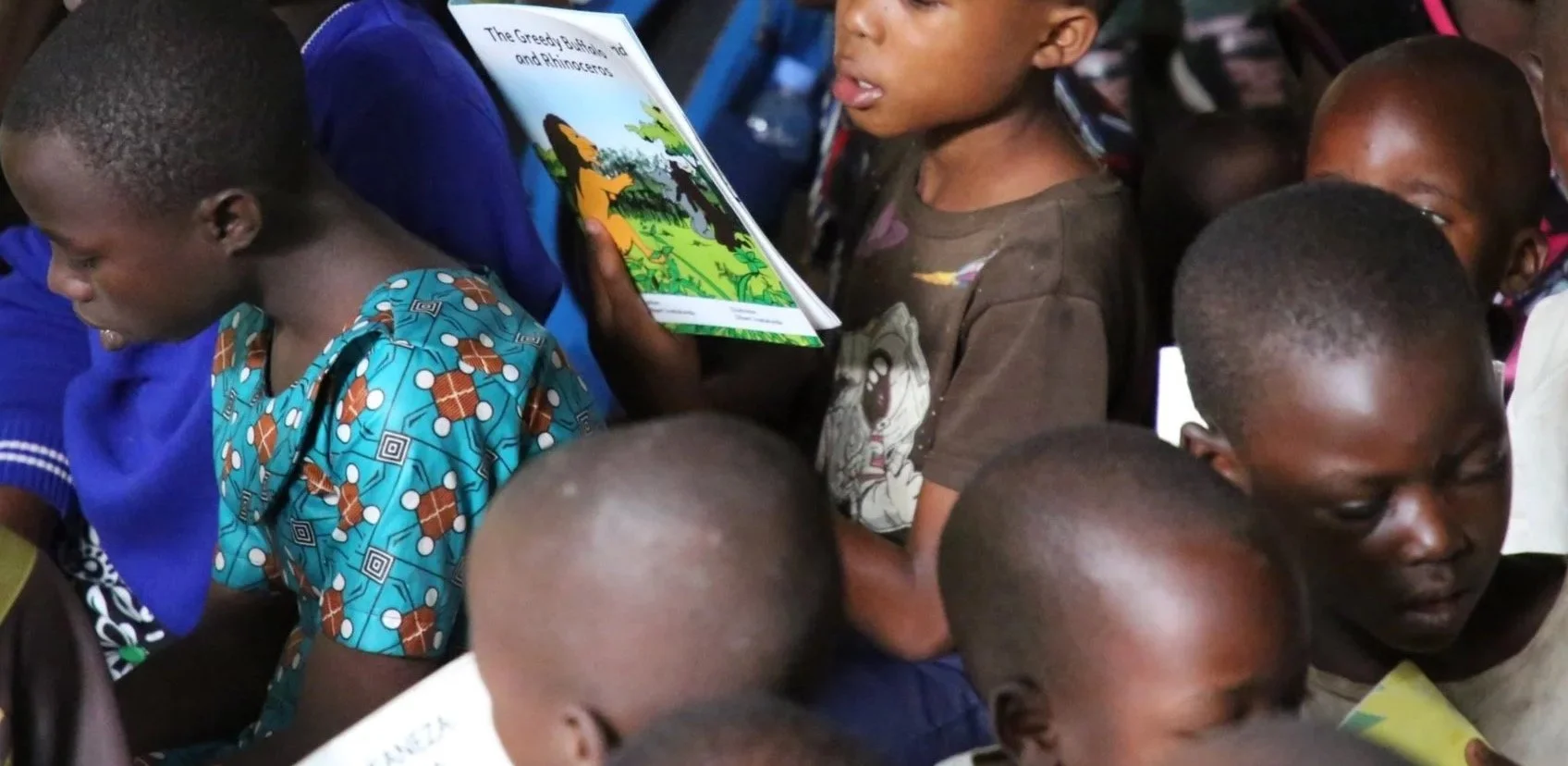
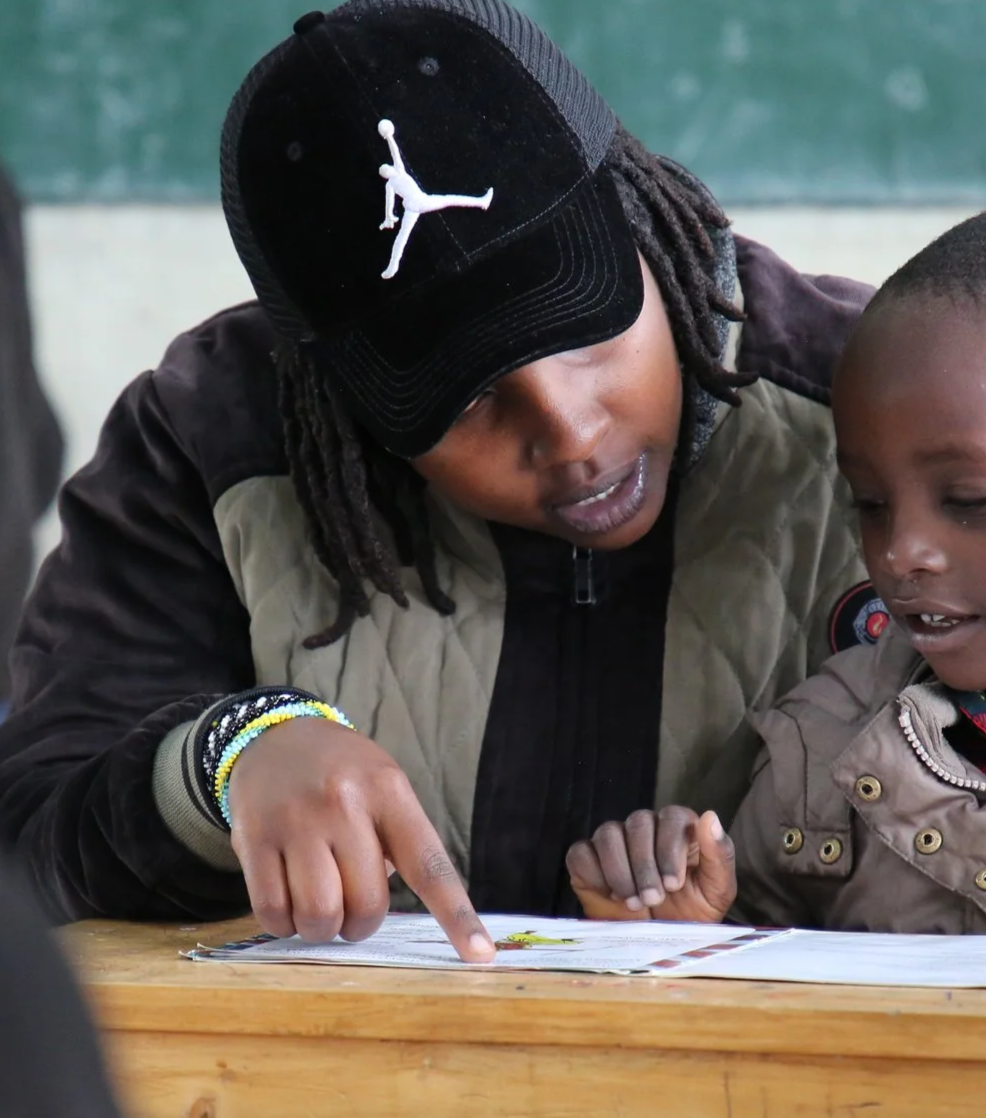
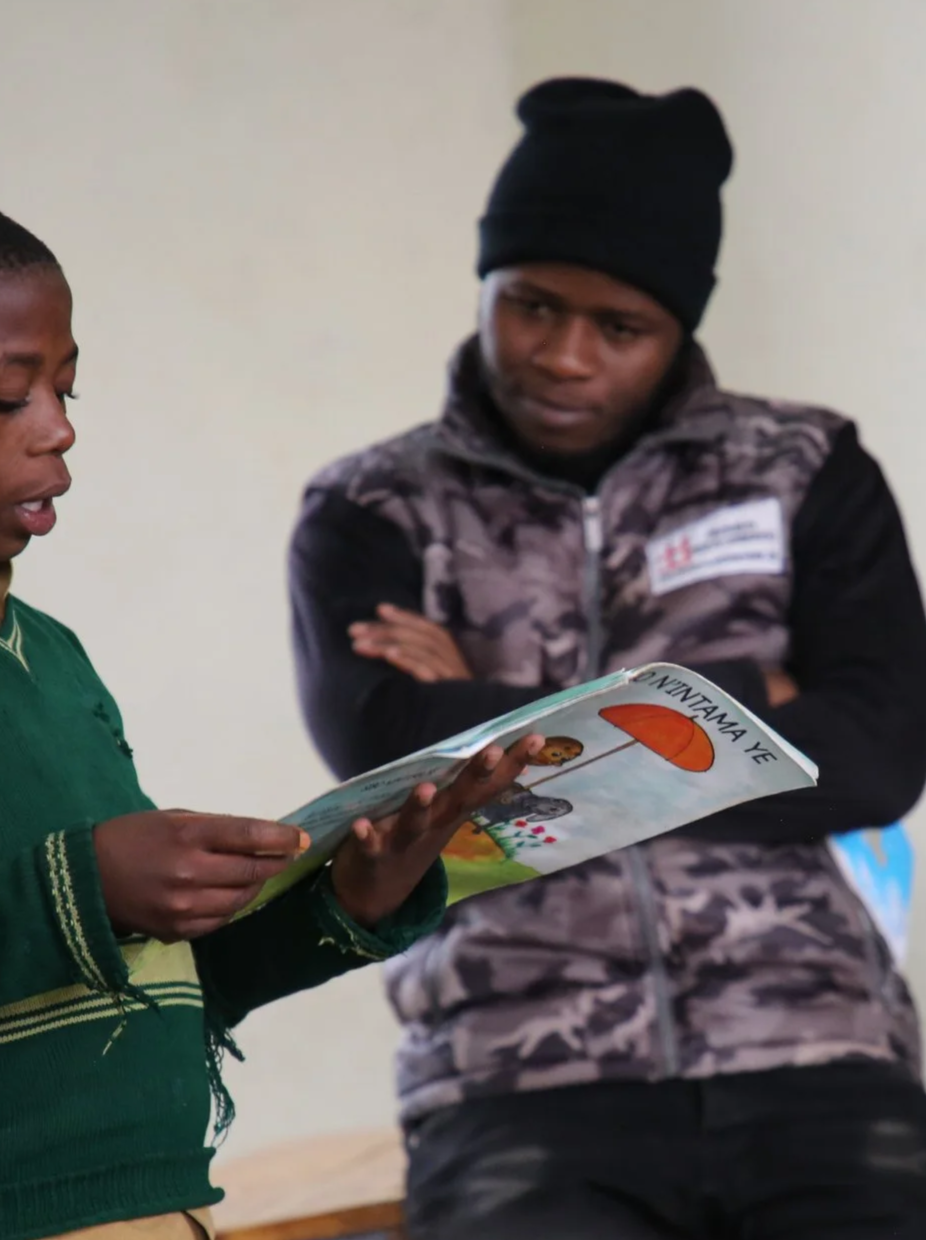
The Kamwumba school is in the Nyange sector of Rwanda which lies close to the protected mountain gorillas of Volcanoes National Park. Serving more than 1,600 students, the local school is dedicated to providing quality education to its community. Headmistress Nyiramujenyeri Marie Rose and her teaching staff have enthusiastically welcomed the library. Valerie Akuredusenge, one of our partners has been running health and environment programs at the school through her NGO, Conservation Heritage – Turambe. Mukamazera Jolise and Muyisabe Clarisse are fantastic educators at Kamwumba and were chosen to be the librarians. They run a reading program every Saturday for all students and the community and work in the library during school days with smaller groups. Agati library another one of our partners helped put this library together. This was a strong collaborative effort.



Further support for libraries in Rwanda
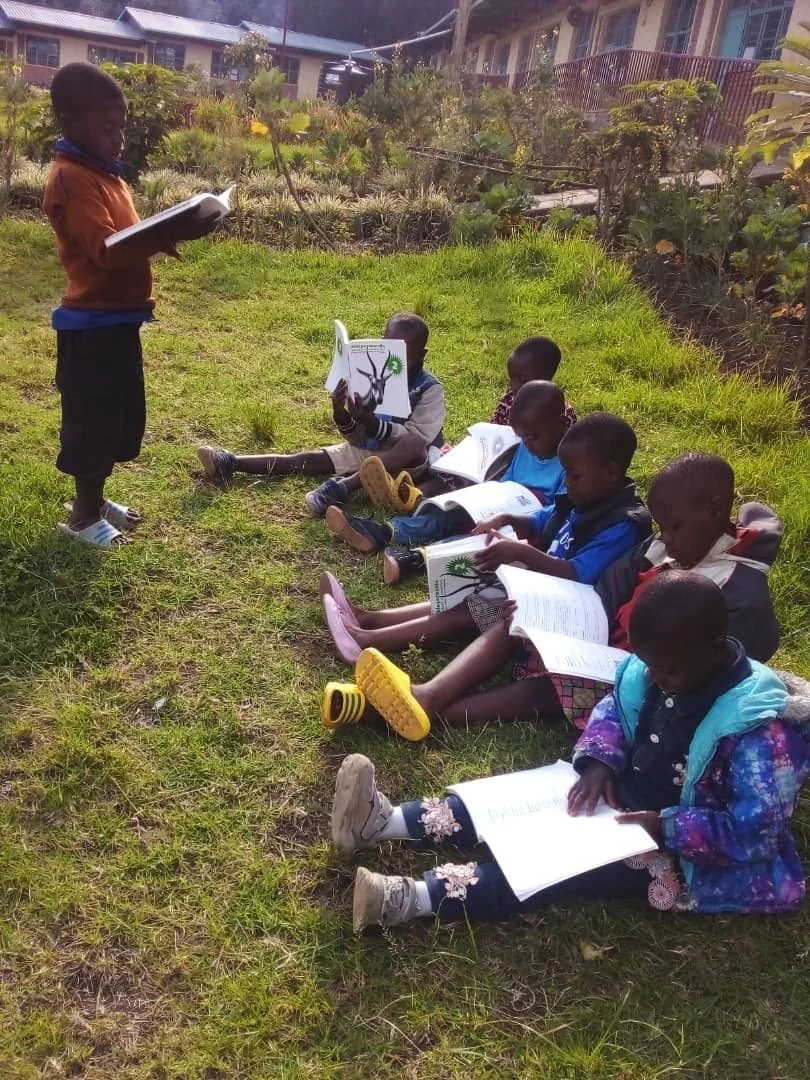
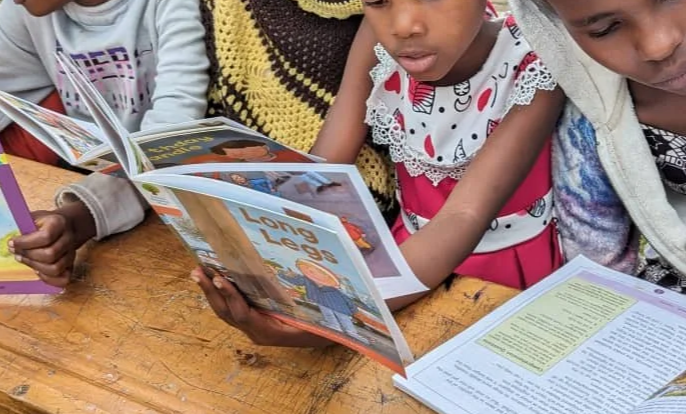
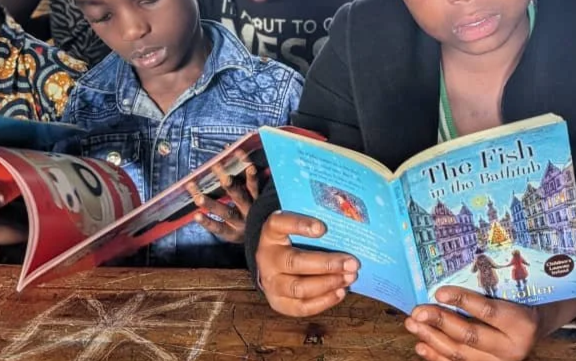
Project Life partnered with Agati Library in 2023 to support their Mobile Library Program. By encouraging the children to read to themselves and to read aloud to the group, these children are expanding their curiosity and confidence. Project Life and Agati believes readers are constantly learning new things with each turn of the page… the benefits can last a lifetime.






Conservation Heritage Tremble www.forgorillas.org
Agati Library www.agatilibrary.org
The making of Kamwumba School Library.
A library is incredibly important in a rural school for many reasons, including:
Access to Knowledge
In many rural areas, students don’t have textbooks or learning materials at home.
A library becomes the only place where they can access books, reference materials, and learning resources.
Supports Teachers
Teachers can use library resources to prepare lessons and access materials they wouldn’t otherwise have.
It can be a resource center for curriculum support.
Improves Literacy and Language Skills
Regular access to books helps students improve reading, writing, and comprehension skills.
This is especially critical where English or French (depending on the country) is the language of instruction, but not spoken at home.
Community Hub
Libraries can serve the whole village—not just students. Adults can use it for literacy programs, farming resources, health information, or vocational training.